Combating Corruption and Religious Power through Public Speaking Advocacy
Category : | Sub Category : Posted on 2024-10-05 22:25:23
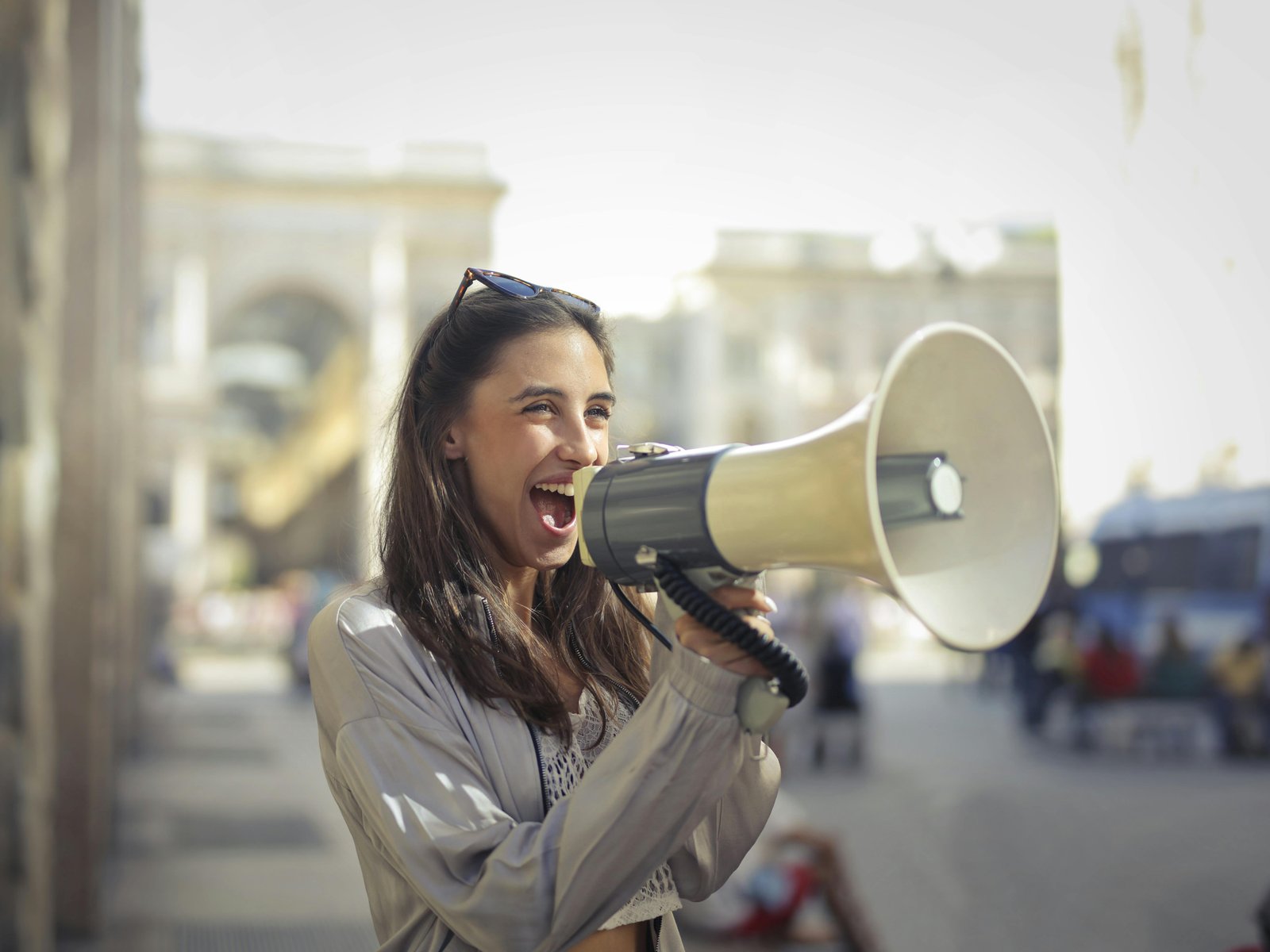
In today's world, corruption and the misuse of religious power are prevalent issues that continue to affect societies on a global scale. Public speaking has emerged as a powerful tool for advocacy, enabling individuals to raise awareness and drive positive change in these key areas. By leveraging the art of public speaking, activists and advocates can shine a spotlight on corruption and the misuse of religious power, inspiring action and pushing for accountability. Corruption within governmental institutions, corporations, and other sectors undermines the fabric of society, eroding trust and fairness. The lack of transparency and accountability associated with corrupt practices perpetuates inequality and hinders social and economic progress. Through public speaking advocacy, passionate individuals can educate the public about the detrimental effects of corruption and call for ethical leadership and governance practices. By articulating persuasive arguments and sharing real-life examples, speakers can mobilize communities to demand integrity and anti-corruption measures from their leaders. Similarly, the misuse of religious power presents a separate but equally pressing challenge. Throughout history, individuals in positions of religious authority have exploited their influence for personal gain or to perpetuate discrimination and intolerance. By speaking out against such abuses, advocates can promote a message of inclusivity, tolerance, and respect for human rights within religious communities. Public speaking engagements offer a platform to challenge harmful practices, promote dialogue, and foster interfaith understanding. Effective public speaking advocacy requires preparation, passion, and persuasion. Speakers must research their topics thoroughly, craft compelling narratives, and engage their audiences through storytelling, humor, or emotional appeals. By establishing credibility and connecting with listeners on a personal level, advocates can cultivate empathy and inspire action. Leveraging social media and digital platforms can amplify their message, reaching broader audiences and sparking meaningful conversations. In conclusion, public speaking advocacy serves as a potent tool for combating corruption and the misuse of religious power. By raising awareness, inspiring action, and promoting accountability, advocates can drive positive change and contribute to a more just and equitable society. Through the power of words and the courage to speak truth to power, individuals can make a lasting impact and build a better future for generations to come. Let us embrace the transformative potential of public speaking advocacy in the fight against corruption and the promotion of religious freedom and respect.
https://sunpowerpanels.com
https://religieuse.org
Leave a Comment:
SEARCH
Recent News
- Zurich, Switzerland is a vibrant city known for its rich cultural scene and diverse music offerings. One unique aspect of Zurich's music scene is the presence of Sudanese music, which has found a home in the city's melting pot of cultures.
- Visiting Zurich, Switzerland, can be an enriching experience for music lovers from all corners of the world. While the city may not be the first place that comes to mind when thinking about South African music, Zurich's diverse music scene offers a glimpse into the vibrant sounds of this African nation.
- Zurich, Switzerland is a vibrant city known for its stunning architecture, picturesque landscapes, and rich culture. One aspect of Zurich's cultural scene that often goes under the radar is its regional music. The city and its surrounding areas are home to a diverse range of musical styles, reflecting the multiculturalism and artistic diversity of the region.
- Top 5 Zurich Regional Movies You Must Watch
- Zurich, Switzerland, is a vibrant city known for its stunning architecture, picturesque landscapes, and thriving cultural scene. In recent years, the city has also become a hub for film production, attracting filmmakers from around the world. Interestingly, a connection has emerged between Zurich and Paraguay through the medium of film.
- Zurich, Switzerland: Discovering the Vibrant Norwegian Music Scene
- Zurich - A Hub for Hungarian Films
- Zurich, Switzerland: A Hub for Estonian Music
READ MORE
11 months ago Category :

Zurich, Switzerland is a vibrant city known for its rich cultural scene and diverse music offerings. One unique aspect of Zurich's music scene is the presence of Sudanese music, which has found a home in the city's melting pot of cultures.
Read More →11 months ago Category :

Visiting Zurich, Switzerland, can be an enriching experience for music lovers from all corners of the world. While the city may not be the first place that comes to mind when thinking about South African music, Zurich's diverse music scene offers a glimpse into the vibrant sounds of this African nation.
Read More →11 months ago Category :

Zurich, Switzerland is a vibrant city known for its stunning architecture, picturesque landscapes, and rich culture. One aspect of Zurich's cultural scene that often goes under the radar is its regional music. The city and its surrounding areas are home to a diverse range of musical styles, reflecting the multiculturalism and artistic diversity of the region.
Read More →11 months ago Category :
