The Intersection of Cultures, Politics, and Public Speaking
Category : | Sub Category : Posted on 2024-10-05 22:25:23
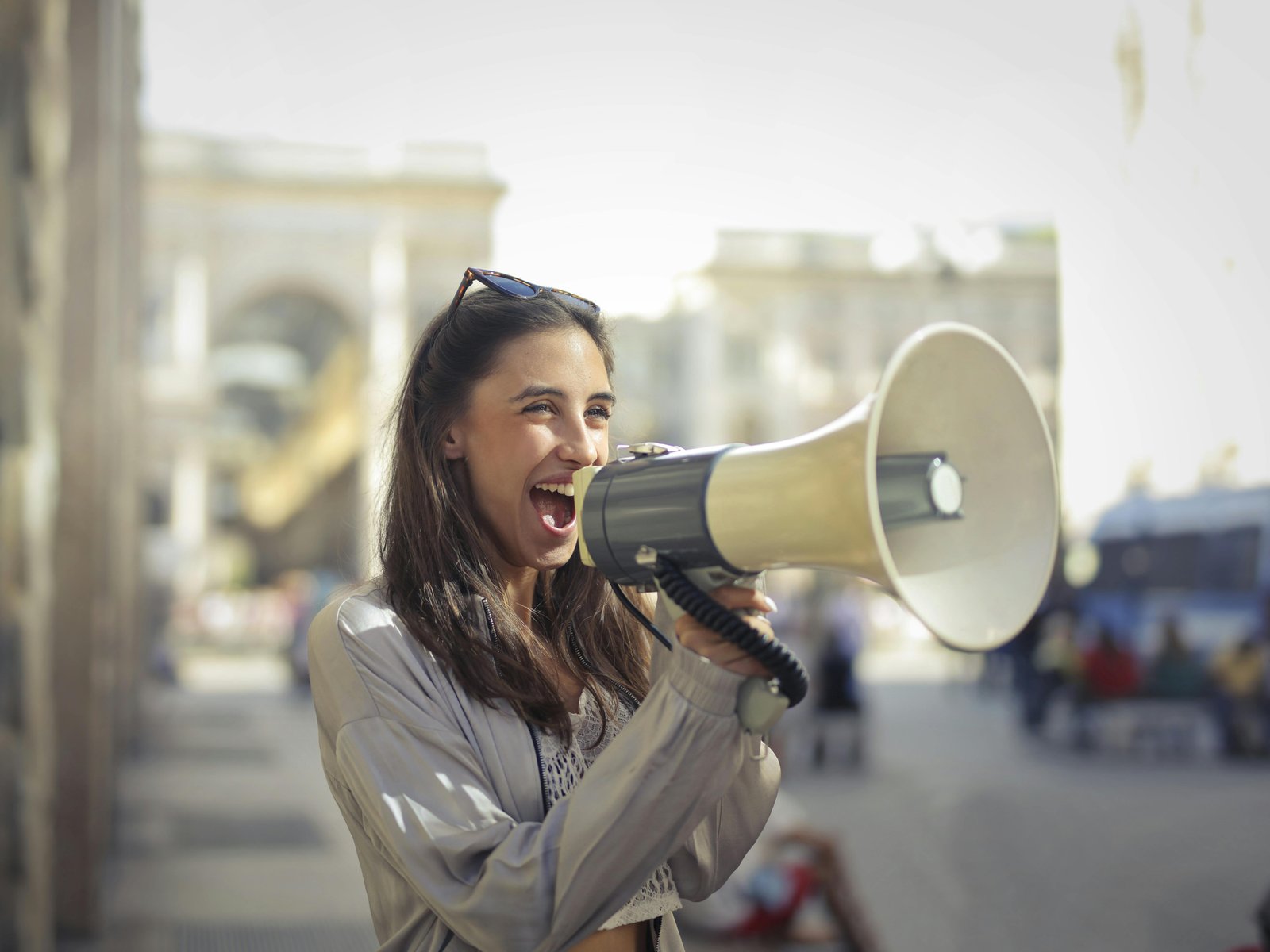
Public speaking has long been intertwined with cultures and politics, reflecting the values, beliefs, and power dynamics present in a society. Whether it's a political leader addressing a nation, an activist rallying supporters, or a speaker sharing cultural traditions, the way in which individuals communicate in public spaces is influenced by a complex interplay of cultural norms and political contexts. Cultures around the world have unique approaches to public speaking, with some placing a strong emphasis on eloquence, rhetoric, and storytelling, while others prioritize directness, brevity, and clarity. For example, in some Eastern cultures, a speaker may use more indirect language and employ storytelling techniques to make a point, whereas in Western cultures, there may be a preference for straightforward communication and logical arguments. In the realm of politics, public speaking is a potent tool used to shape public opinion, mobilize support, and enact change. Political leaders leverage speeches to inspire their constituents, communicate policy initiatives, and rally people behind a common cause. The way in which politicians articulate their messages, use persuasive techniques, and connect with their audience can have a profound impact on the outcome of elections, policy debates, and societal attitudes. Moreover, public speaking in the political arena can also serve as a platform for marginalized voices to be heard, challenging dominant narratives and advocating for social justice. Activists, community leaders, and advocates often use public speaking to raise awareness about issues that affect their communities, amplify their voices, and influence policy decisions. When cultures and politics intersect in the realm of public speaking, there is an opportunity to foster dialogue, promote understanding, and bridge divides. By recognizing and respecting cultural differences in communication styles, addressing power dynamics in political discourses, and amplifying diverse voices in public forums, we can create a more inclusive and equitable public discourse. In conclusion, the intersection of cultures, politics, and public speaking highlights the dynamic relationship between language, power, and identity. By exploring this intersection with nuance and empathy, we can harness the transformative potential of public speaking to build bridges, foster solidarity, and advance social change in a diverse and interconnected world.
Leave a Comment:
SEARCH
Recent News
- Zurich, Switzerland is a vibrant city known for its rich cultural scene and diverse music offerings. One unique aspect of Zurich's music scene is the presence of Sudanese music, which has found a home in the city's melting pot of cultures.
- Visiting Zurich, Switzerland, can be an enriching experience for music lovers from all corners of the world. While the city may not be the first place that comes to mind when thinking about South African music, Zurich's diverse music scene offers a glimpse into the vibrant sounds of this African nation.
- Zurich, Switzerland is a vibrant city known for its stunning architecture, picturesque landscapes, and rich culture. One aspect of Zurich's cultural scene that often goes under the radar is its regional music. The city and its surrounding areas are home to a diverse range of musical styles, reflecting the multiculturalism and artistic diversity of the region.
- Top 5 Zurich Regional Movies You Must Watch
- Zurich, Switzerland, is a vibrant city known for its stunning architecture, picturesque landscapes, and thriving cultural scene. In recent years, the city has also become a hub for film production, attracting filmmakers from around the world. Interestingly, a connection has emerged between Zurich and Paraguay through the medium of film.
- Zurich, Switzerland: Discovering the Vibrant Norwegian Music Scene
- Zurich - A Hub for Hungarian Films
- Zurich, Switzerland: A Hub for Estonian Music
READ MORE
7 months ago Category :

Zurich, Switzerland is a vibrant city known for its rich cultural scene and diverse music offerings. One unique aspect of Zurich's music scene is the presence of Sudanese music, which has found a home in the city's melting pot of cultures.
Read More →7 months ago Category :

Visiting Zurich, Switzerland, can be an enriching experience for music lovers from all corners of the world. While the city may not be the first place that comes to mind when thinking about South African music, Zurich's diverse music scene offers a glimpse into the vibrant sounds of this African nation.
Read More →7 months ago Category :

Zurich, Switzerland is a vibrant city known for its stunning architecture, picturesque landscapes, and rich culture. One aspect of Zurich's cultural scene that often goes under the radar is its regional music. The city and its surrounding areas are home to a diverse range of musical styles, reflecting the multiculturalism and artistic diversity of the region.
Read More →7 months ago Category :
