Embracing Cultural Diversity in Public Speaking
Category : | Sub Category : Posted on 2024-10-05 22:25:23
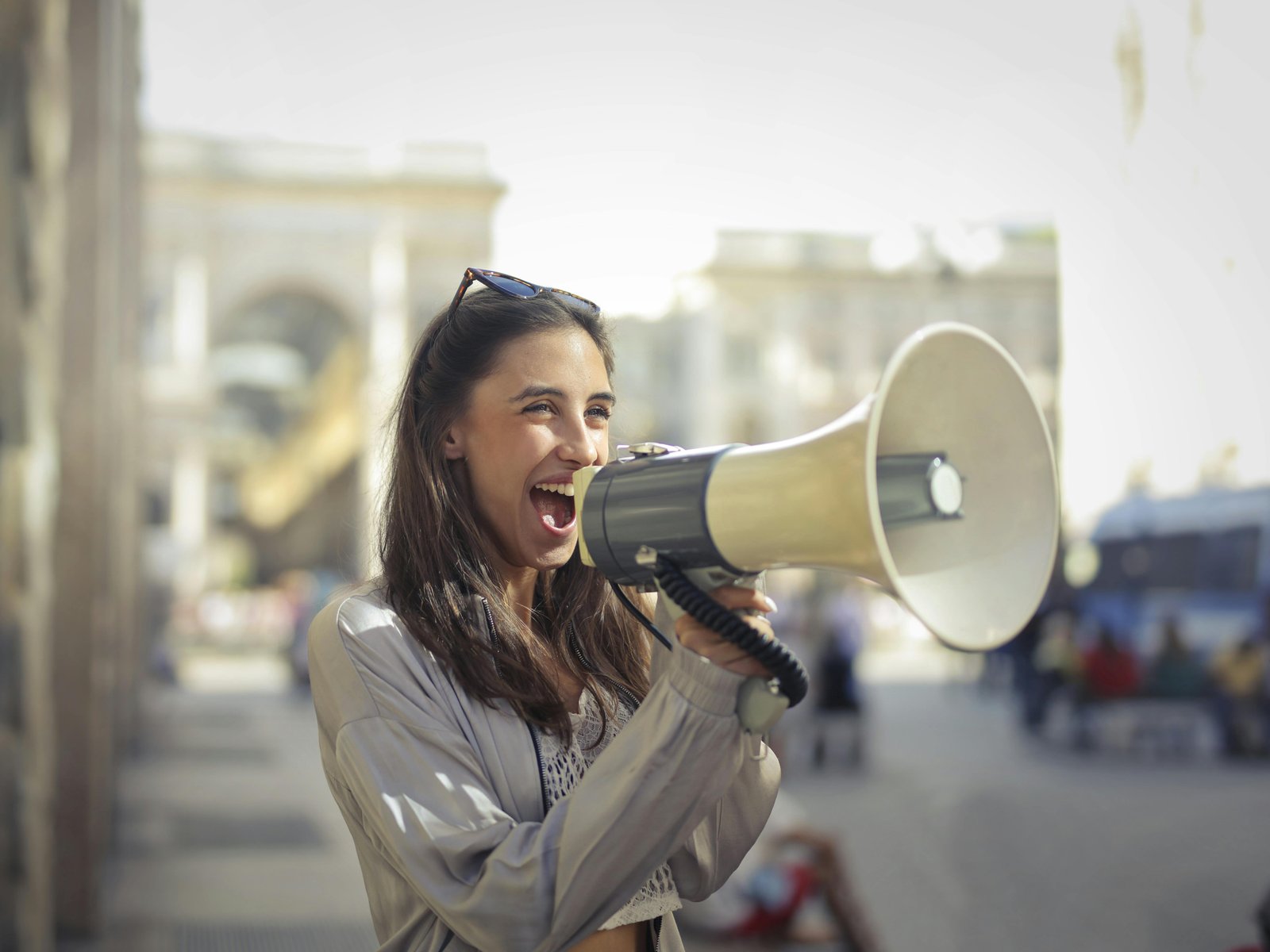
Public speaking is a powerful tool that allows individuals to effectively share ideas, inspire change, and connect with others. In today's diverse society, it is essential for public speakers to embrace and celebrate cultural diversity in order to deliver impactful and inclusive messages. Cultural diversity refers to the variety of cultures, traditions, and beliefs that exist within a society. When it comes to public speaking, recognizing and respecting cultural differences can enhance the speaker's ability to connect with a wide range of audience members. By incorporating elements of different cultures into their speeches, speakers can create a more engaging and relatable experience for listeners. One way to embrace cultural diversity in public speaking is by incorporating multicultural references and examples into speeches. This could involve sharing stories or anecdotes from diverse cultural backgrounds, using quotes from prominent figures from different cultural backgrounds, or even speaking in different languages to cater to multilingual audiences. By doing so, speakers can show respect for the diversity of their audience and create a more welcoming and inclusive environment for everyone present. Another key aspect of embracing cultural diversity in public speaking is being mindful of cultural nuances and sensitivities. Different cultures have unique communication styles, customs, and taboos that speakers should be aware of when delivering their messages. By taking the time to research and understand the cultural backgrounds of their audience, speakers can avoid inadvertently causing offense or misunderstanding. In addition to incorporating cultural diversity into their speeches, public speakers can also benefit from actively seeking out opportunities to engage with individuals from different cultural backgrounds. By attending cultural events, participating in intercultural exchanges, or networking with people from diverse ethnicities and beliefs, speakers can gain valuable insights and perspectives that can enrich their speeches and help them connect with a broader audience. Ultimately, embracing cultural diversity in public speaking is not just about being politically correct or inclusive—it is about tapping into the richness and depth of human experience that comes from our diverse backgrounds and perspectives. By honoring and celebrating cultural diversity in their speeches, public speakers can create powerful connections, foster understanding, and inspire positive change in an increasingly globalized world. For expert commentary, delve into https://www.corriente.org
Leave a Comment:
SEARCH
Recent News
- Zurich, Switzerland is a vibrant city known for its rich cultural scene and diverse music offerings. One unique aspect of Zurich's music scene is the presence of Sudanese music, which has found a home in the city's melting pot of cultures.
- Visiting Zurich, Switzerland, can be an enriching experience for music lovers from all corners of the world. While the city may not be the first place that comes to mind when thinking about South African music, Zurich's diverse music scene offers a glimpse into the vibrant sounds of this African nation.
- Zurich, Switzerland is a vibrant city known for its stunning architecture, picturesque landscapes, and rich culture. One aspect of Zurich's cultural scene that often goes under the radar is its regional music. The city and its surrounding areas are home to a diverse range of musical styles, reflecting the multiculturalism and artistic diversity of the region.
- Top 5 Zurich Regional Movies You Must Watch
- Zurich, Switzerland, is a vibrant city known for its stunning architecture, picturesque landscapes, and thriving cultural scene. In recent years, the city has also become a hub for film production, attracting filmmakers from around the world. Interestingly, a connection has emerged between Zurich and Paraguay through the medium of film.
- Zurich, Switzerland: Discovering the Vibrant Norwegian Music Scene
- Zurich - A Hub for Hungarian Films
- Zurich, Switzerland: A Hub for Estonian Music
READ MORE
7 months ago Category :

Zurich, Switzerland is a vibrant city known for its rich cultural scene and diverse music offerings. One unique aspect of Zurich's music scene is the presence of Sudanese music, which has found a home in the city's melting pot of cultures.
Read More →7 months ago Category :

Visiting Zurich, Switzerland, can be an enriching experience for music lovers from all corners of the world. While the city may not be the first place that comes to mind when thinking about South African music, Zurich's diverse music scene offers a glimpse into the vibrant sounds of this African nation.
Read More →7 months ago Category :

Zurich, Switzerland is a vibrant city known for its stunning architecture, picturesque landscapes, and rich culture. One aspect of Zurich's cultural scene that often goes under the radar is its regional music. The city and its surrounding areas are home to a diverse range of musical styles, reflecting the multiculturalism and artistic diversity of the region.
Read More →7 months ago Category :
