Ensuring Data Privacy in the Age of Public Speaking
Category : | Sub Category : Posted on 2024-10-05 22:25:23
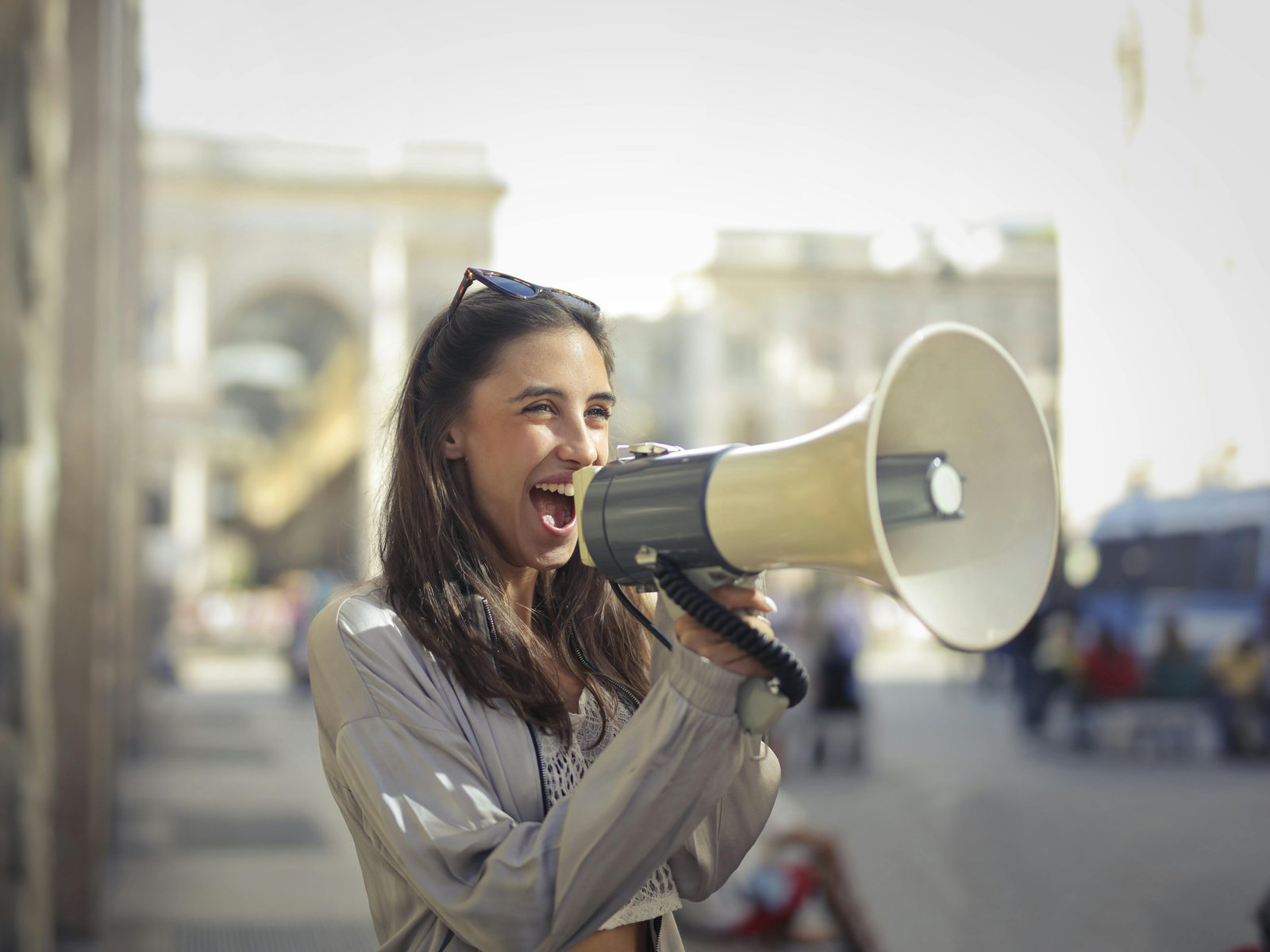
In today's digital age, data privacy has become a major concern for individuals and organizations alike. With the rise of public speaking engagements, whether in person or virtually, the need to protect sensitive information has never been more critical. In this blog post, we will explore the intersection of data privacy and public speaking, and discuss best practices for safeguarding data in this setting. Public speaking events often involve sharing personal stories, professional experiences, and sensitive information with a wide audience. While these engagements can be incredibly powerful in terms of connecting with others and sharing valuable insights, they also pose a risk when it comes to data privacy. Speakers must be mindful of the information they disclose during their presentations and take steps to protect sensitive data from falling into the wrong hands. One key consideration for speakers is the use of personal devices during public speaking engagements. Laptops, smartphones, and other gadgets can store a wealth of sensitive information, from contact details to financial data. It is essential to secure these devices with strong passwords and encryption to prevent unauthorized access. Additionally, speakers should be cautious when connecting to public Wi-Fi networks, as these can be vulnerable to cyber attacks. Another important aspect of data privacy in public speaking is the handling of audience data. Collecting attendee information, such as names and email addresses, is common practice at events. However, speakers must obtain consent from individuals before gathering their data and ensure that it is stored securely. This helps to protect the privacy of attendees and maintain trust between speakers and their audience. Furthermore, when sharing slides or other materials during a presentation, speakers should be mindful of the information they include. Avoiding the inclusion of sensitive data, such as passwords or proprietary information, can help prevent unintended data breaches. It is also advisable to use secure file-sharing methods, such as password-protected links or encrypted email attachments, to protect information shared with attendees. In conclusion, data privacy is a paramount concern for public speakers in today's interconnected world. By taking proactive measures to safeguard sensitive information, speakers can maintain the trust of their audience and protect themselves from potential data breaches. Prioritizing data privacy not only benefits speakers and attendees but also contributes to a safer and more secure public speaking environment for all involved. For more information: https://www.traderwatches.com
Leave a Comment:
SEARCH
Recent News
- Zurich, Switzerland is a vibrant city known for its rich cultural scene and diverse music offerings. One unique aspect of Zurich's music scene is the presence of Sudanese music, which has found a home in the city's melting pot of cultures.
- Visiting Zurich, Switzerland, can be an enriching experience for music lovers from all corners of the world. While the city may not be the first place that comes to mind when thinking about South African music, Zurich's diverse music scene offers a glimpse into the vibrant sounds of this African nation.
- Zurich, Switzerland is a vibrant city known for its stunning architecture, picturesque landscapes, and rich culture. One aspect of Zurich's cultural scene that often goes under the radar is its regional music. The city and its surrounding areas are home to a diverse range of musical styles, reflecting the multiculturalism and artistic diversity of the region.
- Top 5 Zurich Regional Movies You Must Watch
- Zurich, Switzerland, is a vibrant city known for its stunning architecture, picturesque landscapes, and thriving cultural scene. In recent years, the city has also become a hub for film production, attracting filmmakers from around the world. Interestingly, a connection has emerged between Zurich and Paraguay through the medium of film.
- Zurich, Switzerland: Discovering the Vibrant Norwegian Music Scene
- Zurich - A Hub for Hungarian Films
- Zurich, Switzerland: A Hub for Estonian Music
READ MORE
7 months ago Category :

Zurich, Switzerland is a vibrant city known for its rich cultural scene and diverse music offerings. One unique aspect of Zurich's music scene is the presence of Sudanese music, which has found a home in the city's melting pot of cultures.
Read More →7 months ago Category :

Visiting Zurich, Switzerland, can be an enriching experience for music lovers from all corners of the world. While the city may not be the first place that comes to mind when thinking about South African music, Zurich's diverse music scene offers a glimpse into the vibrant sounds of this African nation.
Read More →7 months ago Category :

Zurich, Switzerland is a vibrant city known for its stunning architecture, picturesque landscapes, and rich culture. One aspect of Zurich's cultural scene that often goes under the radar is its regional music. The city and its surrounding areas are home to a diverse range of musical styles, reflecting the multiculturalism and artistic diversity of the region.
Read More →7 months ago Category :
