**The Intersection of Deepfake Technology and Public Speaking: Ensuring Access Control**
Category : | Sub Category : Posted on 2024-10-05 22:25:23
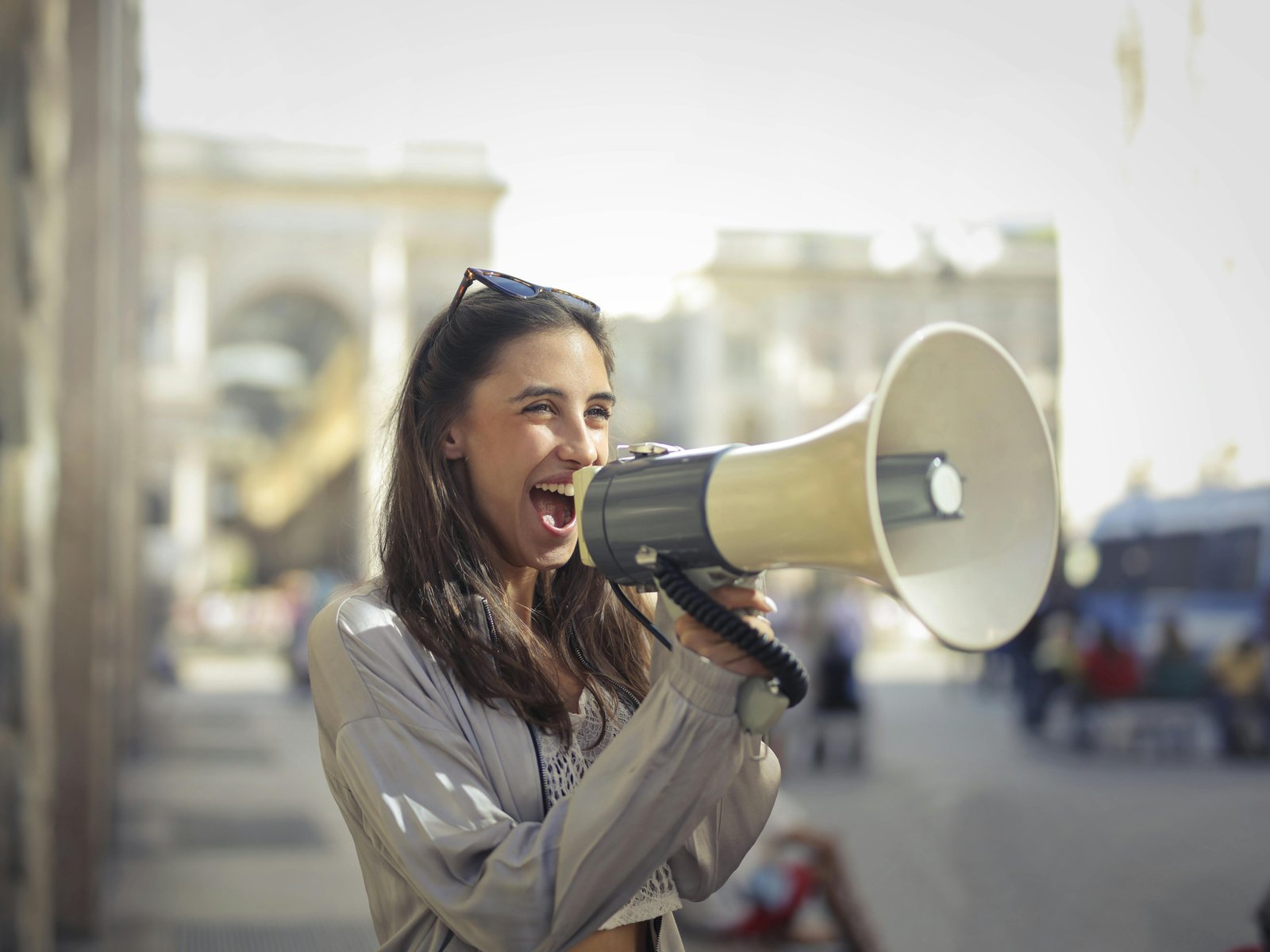
In the age of advanced technological innovations, the emergence of deepfake technology poses both unique opportunities and challenges, particularly in the realm of public speaking. Public speaking, as an essential skill in various fields such as politics, business, and education, requires authenticity and credibility to effectively convey messages to audiences. However, the rise of deepfake technology raises concerns about the potential misuse of manipulated content to deceive and manipulate public opinion. Deepfake technology enables the creation of highly realistic videos and audio recordings that can depict individuals saying or doing things that they never actually did. While this technology has the potential to revolutionize industries such as entertainment and filmmaking, its misuse in the context of public speaking raises significant ethical and security concerns. Access control becomes crucial in mitigating the risks associated with deepfake technology in public speaking scenarios. Organizations and individuals must implement robust security measures to prevent unauthorized access to sensitive content that could be manipulated using deepfake technology. This includes ensuring secure storage of original recordings, implementing multi-factor authentication protocols, and restricting access to editing tools and software that could be used to create deepfake content. Furthermore, education and awareness play a key role in addressing the potential threats posed by deepfakes in public speaking. Training programs should be implemented to educate individuals on how to detect deepfake content and differentiate between authentic and manipulated recordings. By enhancing digital literacy skills and promoting critical thinking, individuals can better navigate the digital landscape and protect themselves from falling victim to deceptive practices. In addition, collaboration among stakeholders is essential to combat the spread of deepfake content in public speaking. Governments, technology companies, and academic institutions must work together to develop regulatory frameworks and technological solutions to detect and mitigate the impact of deepfake technology. By fostering a collective response to this emerging threat, society can uphold the integrity of public discourse and safeguard the trust of audiences in the authenticity of public speakers. Ultimately, the intersection of deepfake technology and public speaking underscores the importance of maintaining access control measures to preserve the credibility and trustworthiness of speeches and presentations. By adopting proactive security strategies, promoting digital literacy, and fostering collaboration, we can navigate the evolving landscape of technology while upholding the ethical standards of public communication. As we continue to grapple with the implications of deepfake technology, it is imperative that we remain vigilant in safeguarding the authenticity and integrity of public discourse. Through a concerted effort to enhance access control measures and promote awareness, we can empower individuals to engage in public speaking with confidence and maintain the trust of audiences in an increasingly digital world.
Leave a Comment:
SEARCH
Recent News
- Zurich, Switzerland is a vibrant city known for its rich cultural scene and diverse music offerings. One unique aspect of Zurich's music scene is the presence of Sudanese music, which has found a home in the city's melting pot of cultures.
- Visiting Zurich, Switzerland, can be an enriching experience for music lovers from all corners of the world. While the city may not be the first place that comes to mind when thinking about South African music, Zurich's diverse music scene offers a glimpse into the vibrant sounds of this African nation.
- Zurich, Switzerland is a vibrant city known for its stunning architecture, picturesque landscapes, and rich culture. One aspect of Zurich's cultural scene that often goes under the radar is its regional music. The city and its surrounding areas are home to a diverse range of musical styles, reflecting the multiculturalism and artistic diversity of the region.
- Top 5 Zurich Regional Movies You Must Watch
- Zurich, Switzerland, is a vibrant city known for its stunning architecture, picturesque landscapes, and thriving cultural scene. In recent years, the city has also become a hub for film production, attracting filmmakers from around the world. Interestingly, a connection has emerged between Zurich and Paraguay through the medium of film.
- Zurich, Switzerland: Discovering the Vibrant Norwegian Music Scene
- Zurich - A Hub for Hungarian Films
- Zurich, Switzerland: A Hub for Estonian Music
READ MORE
7 months ago Category :

Zurich, Switzerland is a vibrant city known for its rich cultural scene and diverse music offerings. One unique aspect of Zurich's music scene is the presence of Sudanese music, which has found a home in the city's melting pot of cultures.
Read More →7 months ago Category :

Visiting Zurich, Switzerland, can be an enriching experience for music lovers from all corners of the world. While the city may not be the first place that comes to mind when thinking about South African music, Zurich's diverse music scene offers a glimpse into the vibrant sounds of this African nation.
Read More →7 months ago Category :

Zurich, Switzerland is a vibrant city known for its stunning architecture, picturesque landscapes, and rich culture. One aspect of Zurich's cultural scene that often goes under the radar is its regional music. The city and its surrounding areas are home to a diverse range of musical styles, reflecting the multiculturalism and artistic diversity of the region.
Read More →7 months ago Category :
