The Deepfake Dilemma: How Deepfake Technology Could Impact Public Speaking in Argentina
Category : | Sub Category : Posted on 2024-10-05 22:25:23
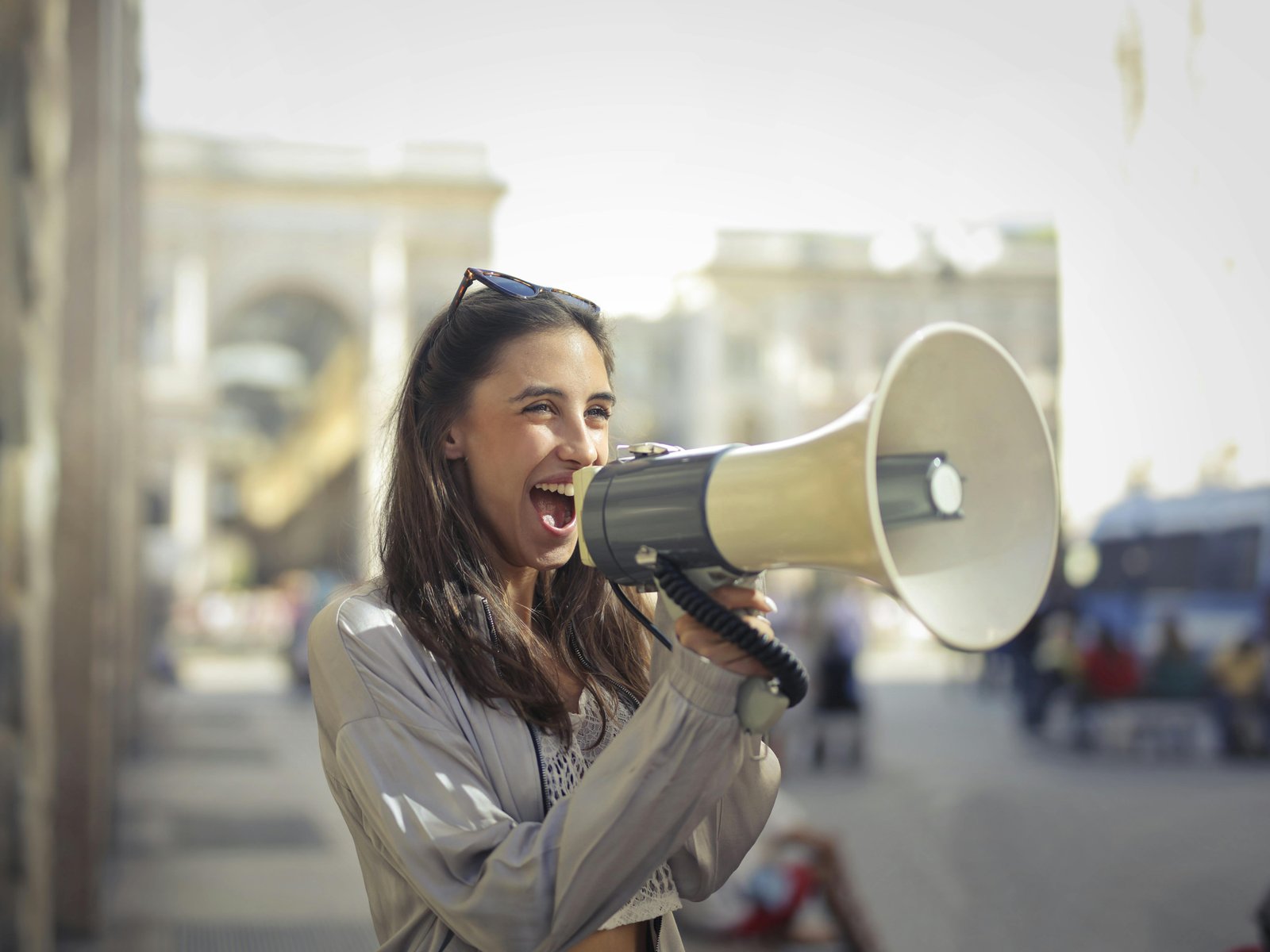
In recent years, deepfake technology has emerged as a powerful tool that poses both impressive advancements and potential risks. This remarkable technology allows individuals to create hyper-realistic videos, audio recordings, or images that depict people saying or doing things that they never actually did. While deepfake technology has various applications, one area where its implications are particularly profound is public speaking. In Argentina, a country known for its passionate public speakers and vibrant political discourse, the rise of deepfake technology could have significant implications. Public figures, politicians, and activists who regularly engage in public speaking could find themselves at the mercy of deepfake creators who seek to manipulate their words and actions for malicious intent. One of the most immediate concerns regarding deepfake technology in the context of public speaking is the potential for misinformation and disinformation. Imagine a scenario where a deepfake video of a prominent Argentine politician delivering a hate speech or making inflammatory remarks goes viral on social media. Such a video could sow confusion, breed mistrust, and incite social unrest, leading to real-world consequences. Moreover, deepfake technology poses a challenge to the authenticity and credibility of public figures' speeches. If deepfake videos of public speakers delivering false messages or making misleading statements become commonplace, it could erode the public's trust in the information they receive from these figures. The blurring of lines between reality and fabrication could have a corrosive effect on democracy and public discourse in Argentina. On the other hand, some argue that deepfake technology could be harnessed for positive purposes in the realm of public speaking. For example, public speakers could use deepfake technology to create immersive virtual experiences for their audiences, delivering speeches in multiple languages or settings with enhanced visual effects. Additionally, deepfake technology could be utilized to preserve the legacies of iconic Argentine public speakers by recreating their speeches in high fidelity for future generations to experience. As Argentina navigates the challenges and opportunities presented by deepfake technology in public speaking, it becomes crucial for policymakers, tech experts, and the public to engage in conversations about how to mitigate the risks and leverage the benefits of this technology responsibly. Implementing robust regulations, promoting media literacy, and fostering ethical practices in the creation and dissemination of deepfake content are essential steps to safeguarding the integrity of public speaking in Argentina. In conclusion, the advent of deepfake technology has ushered in a new era of complexities and possibilities for public speaking in Argentina. While the risks of misinformation and manipulations loom large, there is also potential for innovation and creativity in leveraging deepfake technology to enhance public speaking experiences. By approaching this technology with caution and foresight, Argentina can navigate the deepfake dilemma and preserve the integrity of public discourse in the digital age.
Leave a Comment:
SEARCH
Recent News
- Zurich, Switzerland is a vibrant city known for its rich cultural scene and diverse music offerings. One unique aspect of Zurich's music scene is the presence of Sudanese music, which has found a home in the city's melting pot of cultures.
- Visiting Zurich, Switzerland, can be an enriching experience for music lovers from all corners of the world. While the city may not be the first place that comes to mind when thinking about South African music, Zurich's diverse music scene offers a glimpse into the vibrant sounds of this African nation.
- Zurich, Switzerland is a vibrant city known for its stunning architecture, picturesque landscapes, and rich culture. One aspect of Zurich's cultural scene that often goes under the radar is its regional music. The city and its surrounding areas are home to a diverse range of musical styles, reflecting the multiculturalism and artistic diversity of the region.
- Top 5 Zurich Regional Movies You Must Watch
- Zurich, Switzerland, is a vibrant city known for its stunning architecture, picturesque landscapes, and thriving cultural scene. In recent years, the city has also become a hub for film production, attracting filmmakers from around the world. Interestingly, a connection has emerged between Zurich and Paraguay through the medium of film.
- Zurich, Switzerland: Discovering the Vibrant Norwegian Music Scene
- Zurich - A Hub for Hungarian Films
- Zurich, Switzerland: A Hub for Estonian Music
READ MORE
7 months ago Category :

Zurich, Switzerland is a vibrant city known for its rich cultural scene and diverse music offerings. One unique aspect of Zurich's music scene is the presence of Sudanese music, which has found a home in the city's melting pot of cultures.
Read More →7 months ago Category :

Visiting Zurich, Switzerland, can be an enriching experience for music lovers from all corners of the world. While the city may not be the first place that comes to mind when thinking about South African music, Zurich's diverse music scene offers a glimpse into the vibrant sounds of this African nation.
Read More →7 months ago Category :

Zurich, Switzerland is a vibrant city known for its stunning architecture, picturesque landscapes, and rich culture. One aspect of Zurich's cultural scene that often goes under the radar is its regional music. The city and its surrounding areas are home to a diverse range of musical styles, reflecting the multiculturalism and artistic diversity of the region.
Read More →7 months ago Category :
