Deepfakes and Their Impact on Public Speaking
Category : | Sub Category : Posted on 2024-10-05 22:25:23
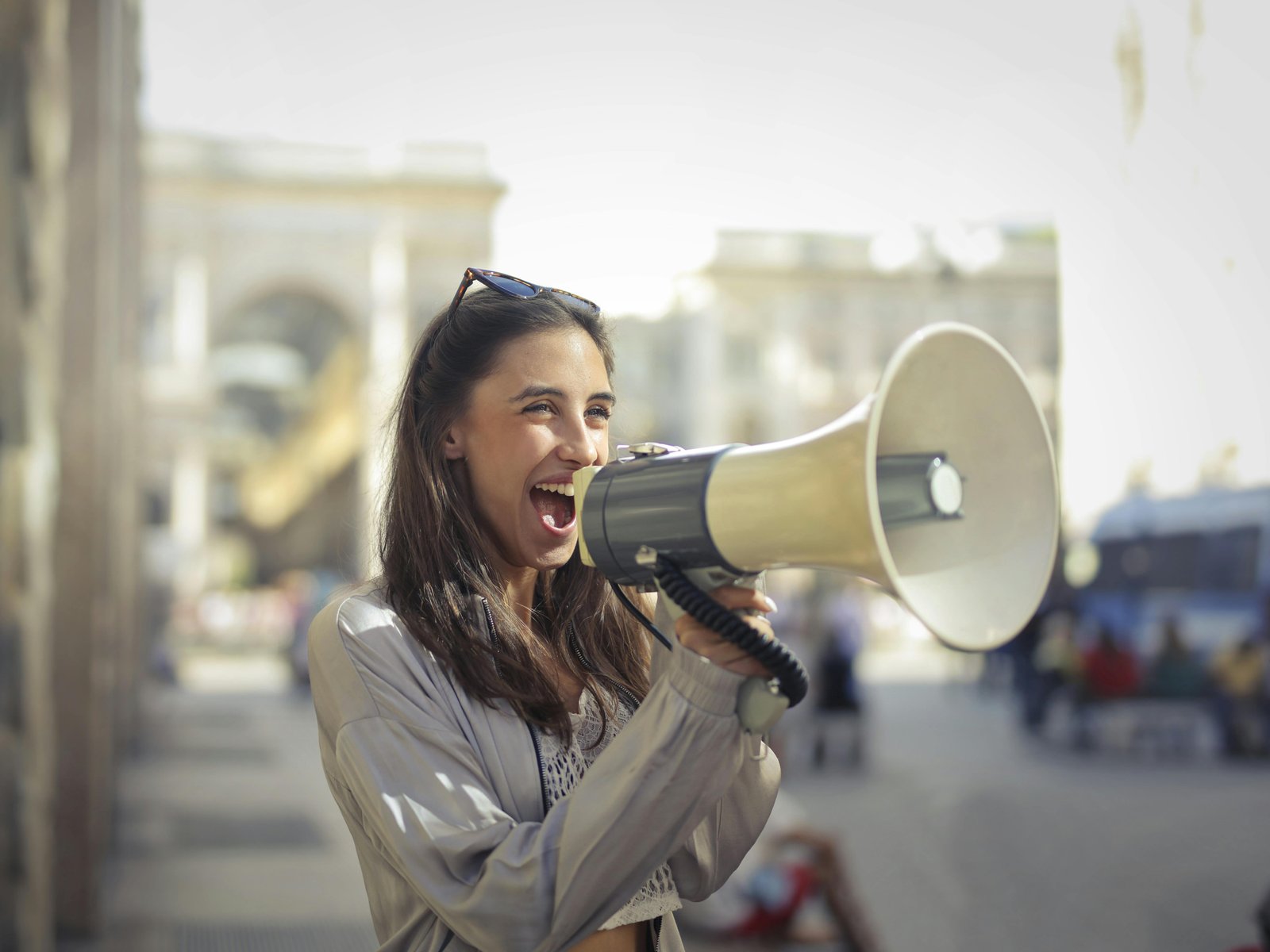
In recent years, the rise of deepfake technology has raised concerns across various industries, including the realm of public speaking. Deepfakes refer to manipulated videos or audio recordings that use artificial intelligence to create hyper-realistic simulations of individuals saying or doing things that never actually occurred. While deepfake technology has been used for entertainment and artistic purposes, it also poses significant challenges when it comes to public figures, including public speakers. One of the primary concerns surrounding deepfake technology in the context of public speaking is the potential for misinformation and deception. With the ability to create highly convincing videos of individuals delivering speeches or statements they never made, deepfakes have the power to distort reality and manipulate public perception. This could have severe consequences for public speakers, as their words and image could be easily manipulated to spread false information or defame their character. Moreover, deepfakes could also erode trust in public speakers and their messages. If audiences become aware of the prevalence of deepfake technology and its potential to deceive, they may question the authenticity of any speech or presentation they encounter. This could undermine the credibility of public speakers and make it more challenging for them to connect with their audience and convey their intended message effectively. Public speakers may also face the risk of being targeted by deepfake creators with malicious intent. For example, deepfakes could be used to sabotage a speaker's reputation by spreading false or damaging content in their name. Additionally, public speakers may become victims of deepfake attacks designed to discredit their expertise or influence, leading to reputational harm and personal distress. To mitigate the risks associated with deepfakes in public speaking, it is crucial for speakers to be vigilant and proactive in protecting their digital presence. This includes monitoring online channels for any signs of deepfake manipulation, engaging with audiences to address any misinformation that may arise, and implementing security measures to safeguard their identity and content from malicious actors. Furthermore, policymakers and tech companies must work together to develop robust regulations and solutions to combat the proliferation of deepfake technology. By establishing clear guidelines and implementing advanced detection technology, we can help safeguard public speakers and the integrity of public discourse from the damaging effects of deepfakes. In conclusion, deepfake technology poses a significant challenge to public speaking by enabling the manipulation of audiovisual content for deceptive purposes. Public speakers must remain alert to the risks posed by deepfakes and take proactive measures to protect their reputation and authenticity in an increasingly digital world. By raising awareness, fostering collaboration, and implementing effective safeguards, we can help mitigate the impact of deepfakes on public speaking and uphold the principles of truth, transparency, and trust in communication.
Leave a Comment:
SEARCH
Recent News
- Zurich, Switzerland is a vibrant city known for its rich cultural scene and diverse music offerings. One unique aspect of Zurich's music scene is the presence of Sudanese music, which has found a home in the city's melting pot of cultures.
- Visiting Zurich, Switzerland, can be an enriching experience for music lovers from all corners of the world. While the city may not be the first place that comes to mind when thinking about South African music, Zurich's diverse music scene offers a glimpse into the vibrant sounds of this African nation.
- Zurich, Switzerland is a vibrant city known for its stunning architecture, picturesque landscapes, and rich culture. One aspect of Zurich's cultural scene that often goes under the radar is its regional music. The city and its surrounding areas are home to a diverse range of musical styles, reflecting the multiculturalism and artistic diversity of the region.
- Top 5 Zurich Regional Movies You Must Watch
- Zurich, Switzerland, is a vibrant city known for its stunning architecture, picturesque landscapes, and thriving cultural scene. In recent years, the city has also become a hub for film production, attracting filmmakers from around the world. Interestingly, a connection has emerged between Zurich and Paraguay through the medium of film.
- Zurich, Switzerland: Discovering the Vibrant Norwegian Music Scene
- Zurich - A Hub for Hungarian Films
- Zurich, Switzerland: A Hub for Estonian Music
READ MORE
7 months ago Category :

Zurich, Switzerland is a vibrant city known for its rich cultural scene and diverse music offerings. One unique aspect of Zurich's music scene is the presence of Sudanese music, which has found a home in the city's melting pot of cultures.
Read More →7 months ago Category :

Visiting Zurich, Switzerland, can be an enriching experience for music lovers from all corners of the world. While the city may not be the first place that comes to mind when thinking about South African music, Zurich's diverse music scene offers a glimpse into the vibrant sounds of this African nation.
Read More →7 months ago Category :

Zurich, Switzerland is a vibrant city known for its stunning architecture, picturesque landscapes, and rich culture. One aspect of Zurich's cultural scene that often goes under the radar is its regional music. The city and its surrounding areas are home to a diverse range of musical styles, reflecting the multiculturalism and artistic diversity of the region.
Read More →7 months ago Category :
