The Impact of Deepfake Technology on the Hispanic Community in Public Speaking
Category : | Sub Category : Posted on 2024-10-05 22:25:23
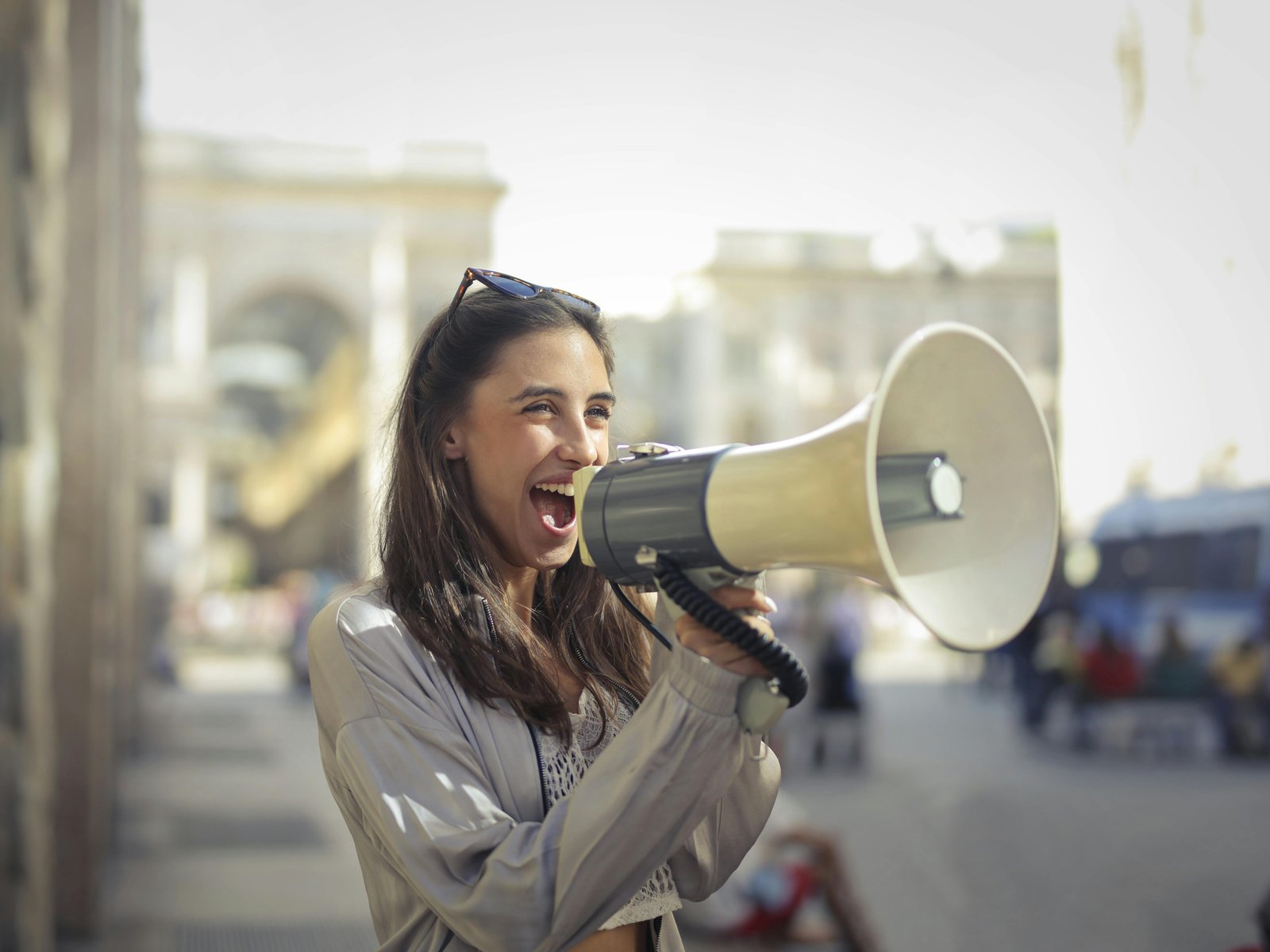
In recent years, the rise of deepfake technology has raised concerns about its potential impact on various industries and communities, including public speaking within the Hispanic community. Deepfake technology allows the manipulation of audio and video content to create hyper-realistic fake videos that can be difficult to distinguish from actual recordings. While this technology has raised ethical and security concerns in many fields, its implications for the Hispanic community in public speaking are particularly notable. Public speaking plays a significant role in shaping public opinion, influencing policy decisions, and promoting cultural understanding within society. Members of the Hispanic community who engage in public speaking, whether as community leaders, activists, or influencers, rely on their authentic voice and image to connect with their audience and convey their message effectively. The emergence of deepfake technology poses a threat to the credibility and authenticity of their public appearances, as malicious actors could use deepfake videos to manipulate their words and actions. One of the key concerns surrounding deepfake technology in public speaking is the potential for misinformation and disinformation campaigns targeting the Hispanic community. By creating fake videos of prominent Hispanic figures delivering false messages or engaging in inappropriate behavior, bad actors could sow confusion, discord, and mistrust within the community. This could have serious consequences for the reputation and integrity of Hispanic leaders and organizations, as well as the community as a whole. Moreover, the proliferation of deepfake technology could also undermine the trust and credibility that Hispanic public speakers have worked hard to establish with their audience. If individuals are unable to discern between genuine and fake content, they may become skeptical of the information presented by Hispanic speakers, leading to a breakdown in communication and a loss of influence within the community. To address the challenges posed by deepfake technology in public speaking, members of the Hispanic community must stay vigilant and proactive in combating misinformation and disinformation campaigns. By educating themselves and their audience about the risks of deepfake technology, implementing strong security measures to protect their digital footprint, and collaborating with technology experts to develop tools for detecting and authenticating digital content, Hispanic public speakers can defend against the threats posed by deepfake technology. In conclusion, the impact of deepfake technology on the Hispanic community in public speaking is a complex issue that requires careful consideration and proactive measures to safeguard against its negative consequences. By raising awareness, implementing protective measures, and fostering a climate of trust and authenticity, Hispanic public speakers can continue to make a positive impact and promote meaningful dialogue within their community. Join us in the fight against deepfake technology to protect the integrity of public speaking in the Hispanic community and uphold the values of truth, authenticity, and transparency. Together, we can ensure that the voices of the Hispanic community are heard loud and clear, without fear of manipulation or exploitation.
Leave a Comment:
SEARCH
Recent News
- Zurich, Switzerland is a vibrant city known for its rich cultural scene and diverse music offerings. One unique aspect of Zurich's music scene is the presence of Sudanese music, which has found a home in the city's melting pot of cultures.
- Visiting Zurich, Switzerland, can be an enriching experience for music lovers from all corners of the world. While the city may not be the first place that comes to mind when thinking about South African music, Zurich's diverse music scene offers a glimpse into the vibrant sounds of this African nation.
- Zurich, Switzerland is a vibrant city known for its stunning architecture, picturesque landscapes, and rich culture. One aspect of Zurich's cultural scene that often goes under the radar is its regional music. The city and its surrounding areas are home to a diverse range of musical styles, reflecting the multiculturalism and artistic diversity of the region.
- Top 5 Zurich Regional Movies You Must Watch
- Zurich, Switzerland, is a vibrant city known for its stunning architecture, picturesque landscapes, and thriving cultural scene. In recent years, the city has also become a hub for film production, attracting filmmakers from around the world. Interestingly, a connection has emerged between Zurich and Paraguay through the medium of film.
- Zurich, Switzerland: Discovering the Vibrant Norwegian Music Scene
- Zurich - A Hub for Hungarian Films
- Zurich, Switzerland: A Hub for Estonian Music
READ MORE
7 months ago Category :

Zurich, Switzerland is a vibrant city known for its rich cultural scene and diverse music offerings. One unique aspect of Zurich's music scene is the presence of Sudanese music, which has found a home in the city's melting pot of cultures.
Read More →7 months ago Category :

Visiting Zurich, Switzerland, can be an enriching experience for music lovers from all corners of the world. While the city may not be the first place that comes to mind when thinking about South African music, Zurich's diverse music scene offers a glimpse into the vibrant sounds of this African nation.
Read More →7 months ago Category :

Zurich, Switzerland is a vibrant city known for its stunning architecture, picturesque landscapes, and rich culture. One aspect of Zurich's cultural scene that often goes under the radar is its regional music. The city and its surrounding areas are home to a diverse range of musical styles, reflecting the multiculturalism and artistic diversity of the region.
Read More →7 months ago Category :
