The Dangers of Deepfake Technology in the Medical Field and Public Speaking
Category : | Sub Category : Posted on 2024-10-05 22:25:23
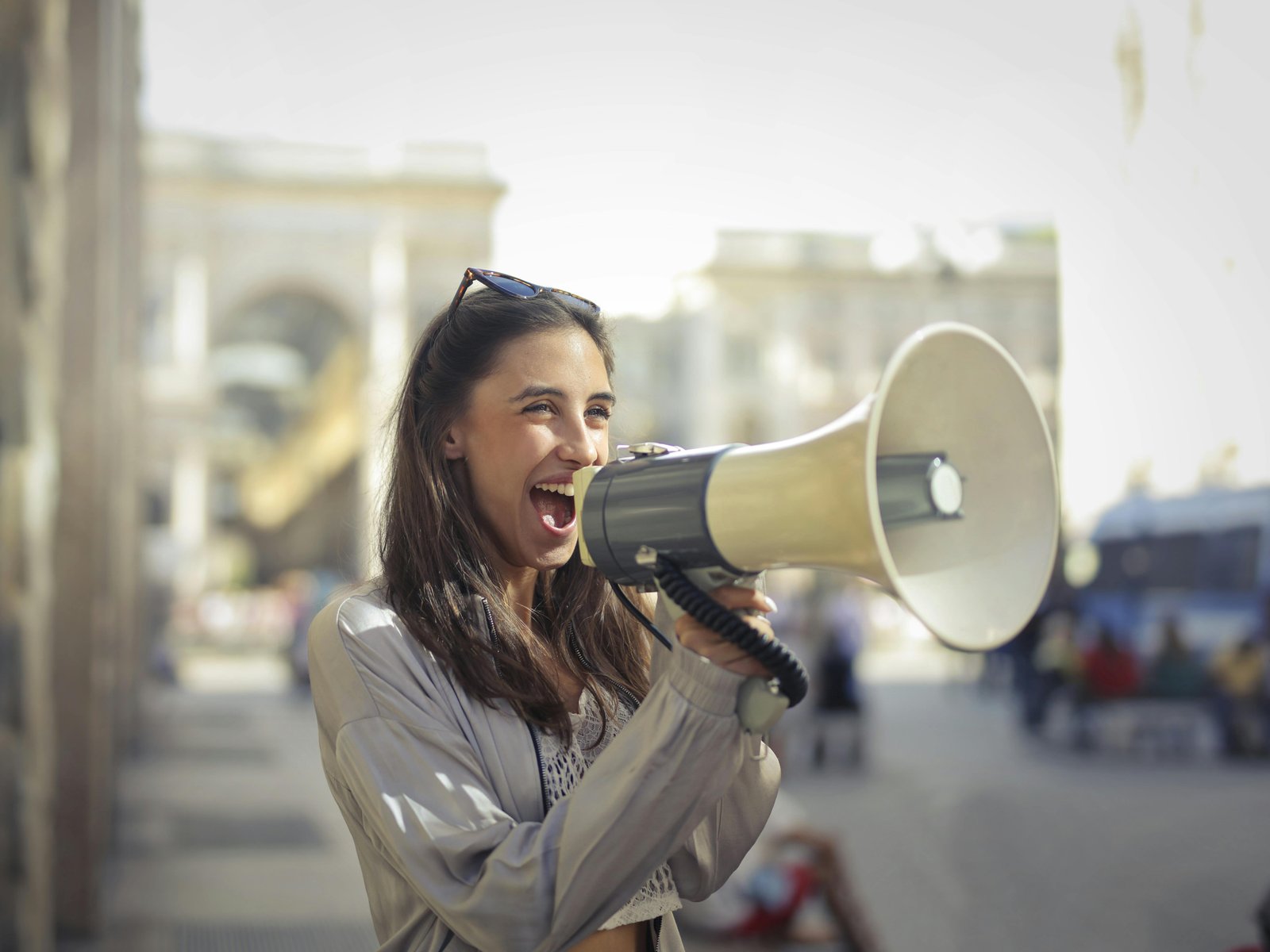
In recent years, deepfake technology has become increasingly sophisticated, raising concerns about its potential impact on various aspects of our lives. From manipulating videos and audio recordings to creating fake content that is virtually indistinguishable from reality, the implications of deepfake technology are vast and far-reaching. In the fields of medicine and public speaking, the use of deepfakes could have particularly dangerous consequences. Deepfake technology poses a serious threat to the integrity of medical information and advice. With the ability to create realistic videos and audio recordings of medical professionals endorsing certain products or treatments, hackers and malicious actors could spread misinformation and potentially harmful advice to the public. Patients could be misled into following unsafe or ineffective medical practices, leading to serious health consequences. Furthermore, deepfake technology could be used to fabricate medical records, alter MRI scans, or even create fake evidence in legal proceedings, undermining the trust and reliability of medical data. In public speaking, deepfake technology could be used to manipulate recordings of speeches and presentations, altering the words and actions of politicians, celebrities, or other public figures. This could have serious implications for public discourse and democracy, as deepfakes could be used to discredit individuals, spread false information, or incite social unrest. Political speeches could be doctored to make it seem like a leader is saying something inflammatory or controversial, leading to widespread confusion and chaos. Moreover, the rise of deepfake technology in public speaking could erode trust in media and information sources. As deepfakes become more convincing and difficult to detect, the line between reality and fiction becomes increasingly blurred. People may become skeptical of the authenticity of any video or audio recording, making it challenging to discern fact from fiction in an already saturated media landscape. To combat the dangers of deepfake technology in the medical field and public speaking, it is crucial for organizations and individuals to be vigilant and proactive in detecting and preventing the spread of deepfakes. Investing in advanced detection tools, promoting media literacy, and fostering a culture of skepticism towards online content can help mitigate the impact of deceptive deepfakes. In conclusion, the proliferation of deepfake technology poses significant risks to the fields of medicine and public speaking. As this technology continues to evolve, it is essential for society to stay informed and vigilant in order to protect the integrity of information and preserve trust in our institutions. By working together to combat the dangers of deepfakes, we can help ensure a more secure and reliable future for all. For more info https://www.natclar.com For the latest insights, read: https://www.garganta.org Want a more profound insight? Consult https://www.ciego.org For a different perspective, see: https://www.enferma.org Want to expand your knowledge? Start with https://www.oreilles.org
https://garganta.org
https://ciego.org
https://enferma.org
https://oreilles.org
Leave a Comment:
SEARCH
Recent News
- Zurich, Switzerland is a vibrant city known for its rich cultural scene and diverse music offerings. One unique aspect of Zurich's music scene is the presence of Sudanese music, which has found a home in the city's melting pot of cultures.
- Visiting Zurich, Switzerland, can be an enriching experience for music lovers from all corners of the world. While the city may not be the first place that comes to mind when thinking about South African music, Zurich's diverse music scene offers a glimpse into the vibrant sounds of this African nation.
- Zurich, Switzerland is a vibrant city known for its stunning architecture, picturesque landscapes, and rich culture. One aspect of Zurich's cultural scene that often goes under the radar is its regional music. The city and its surrounding areas are home to a diverse range of musical styles, reflecting the multiculturalism and artistic diversity of the region.
- Top 5 Zurich Regional Movies You Must Watch
- Zurich, Switzerland, is a vibrant city known for its stunning architecture, picturesque landscapes, and thriving cultural scene. In recent years, the city has also become a hub for film production, attracting filmmakers from around the world. Interestingly, a connection has emerged between Zurich and Paraguay through the medium of film.
- Zurich, Switzerland: Discovering the Vibrant Norwegian Music Scene
- Zurich - A Hub for Hungarian Films
- Zurich, Switzerland: A Hub for Estonian Music
READ MORE
7 months ago Category :

Zurich, Switzerland is a vibrant city known for its rich cultural scene and diverse music offerings. One unique aspect of Zurich's music scene is the presence of Sudanese music, which has found a home in the city's melting pot of cultures.
Read More →7 months ago Category :

Visiting Zurich, Switzerland, can be an enriching experience for music lovers from all corners of the world. While the city may not be the first place that comes to mind when thinking about South African music, Zurich's diverse music scene offers a glimpse into the vibrant sounds of this African nation.
Read More →7 months ago Category :

Zurich, Switzerland is a vibrant city known for its stunning architecture, picturesque landscapes, and rich culture. One aspect of Zurich's cultural scene that often goes under the radar is its regional music. The city and its surrounding areas are home to a diverse range of musical styles, reflecting the multiculturalism and artistic diversity of the region.
Read More →7 months ago Category :
