Creating Safe Spaces for Public Speaking
Category : | Sub Category : Posted on 2025-11-03 22:25:23
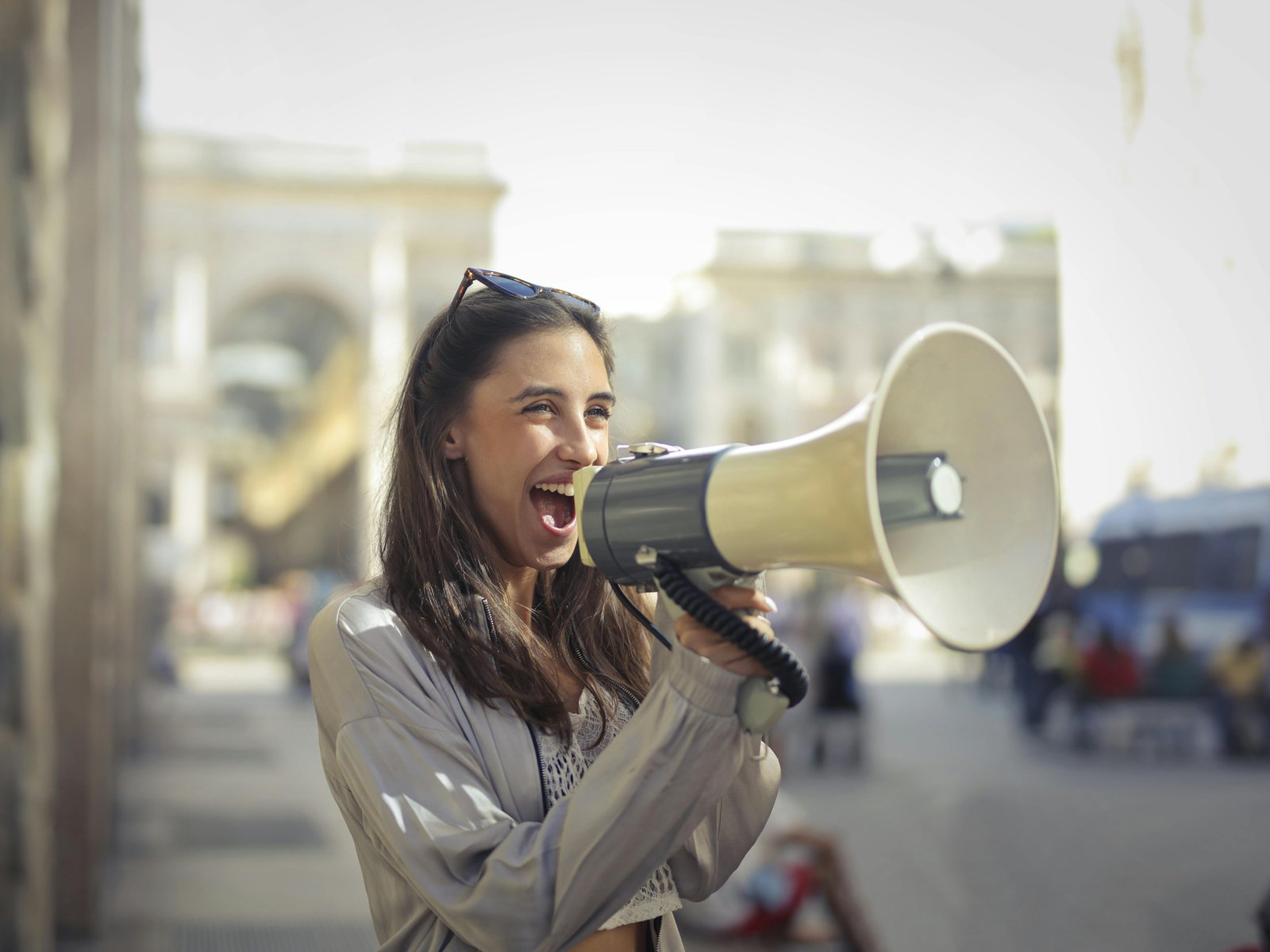
Public speaking can be a daunting task for many individuals. The fear of judgment, criticism, and rejection often holds people back from expressing themselves confidently in front of an audience. This is where the concept of safe spaces in public speaking becomes crucial. What is a safe space for public speaking? A safe space is an environment where individuals feel comfortable, supported, and respected while sharing their thoughts, ideas, and experiences. It is a space free from judgment, discrimination, and negativity, where speakers can express themselves authentically without fear of repercussion. Creating a safe space for public speaking involves several important elements. First and foremost, it requires a culture of inclusivity and diversity, where all voices are welcomed and valued. This means actively promoting and celebrating different perspectives, backgrounds, and experiences within the speaking community. Secondly, a safe space for public speaking is characterized by empathy and compassion. Speakers should feel heard, understood, and supported by their audience and fellow speakers. Constructive feedback should be given in a respectful and considerate manner, focusing on growth and improvement rather than criticism. In addition, creating a safe space for public speaking involves establishing clear guidelines and boundaries to ensure that all participants feel comfortable and respected. This may include setting ground rules for communication, encouraging active listening, and addressing any inappropriate behavior or language promptly and effectively. Furthermore, it is essential to foster a sense of trust and confidentiality within the speaking community. Speakers should feel confident that their words will be treated with respect and privacy, allowing them to share their thoughts and feelings openly and honestly. Overall, a safe space for public speaking is a supportive and empowering environment that encourages self-expression, growth, and learning. By embracing inclusivity, empathy, respect, and trust, we can create a positive and rewarding experience for speakers of all backgrounds and abilities. In conclusion, the concept of safe spaces in public speaking is essential for promoting confidence, self-expression, and personal growth. By fostering an environment of inclusivity, empathy, respect, and trust, we can create a supportive and empowering space where all individuals feel confident to share their voices with the world. Let us continue to strive towards creating safe spaces for public speaking, where everyone has the opportunity to shine and be heard.
Leave a Comment:
SEARCH
Recent News
- Zurich, Switzerland is a vibrant city known for its rich cultural scene and diverse music offerings. One unique aspect of Zurich's music scene is the presence of Sudanese music, which has found a home in the city's melting pot of cultures.
- Visiting Zurich, Switzerland, can be an enriching experience for music lovers from all corners of the world. While the city may not be the first place that comes to mind when thinking about South African music, Zurich's diverse music scene offers a glimpse into the vibrant sounds of this African nation.
- Zurich, Switzerland is a vibrant city known for its stunning architecture, picturesque landscapes, and rich culture. One aspect of Zurich's cultural scene that often goes under the radar is its regional music. The city and its surrounding areas are home to a diverse range of musical styles, reflecting the multiculturalism and artistic diversity of the region.
- Top 5 Zurich Regional Movies You Must Watch
- Zurich, Switzerland, is a vibrant city known for its stunning architecture, picturesque landscapes, and thriving cultural scene. In recent years, the city has also become a hub for film production, attracting filmmakers from around the world. Interestingly, a connection has emerged between Zurich and Paraguay through the medium of film.
- Zurich, Switzerland: Discovering the Vibrant Norwegian Music Scene
- Zurich - A Hub for Hungarian Films
- Zurich, Switzerland: A Hub for Estonian Music
READ MORE
9 months ago Category :

Zurich, Switzerland is a vibrant city known for its rich cultural scene and diverse music offerings. One unique aspect of Zurich's music scene is the presence of Sudanese music, which has found a home in the city's melting pot of cultures.
Read More →9 months ago Category :

Visiting Zurich, Switzerland, can be an enriching experience for music lovers from all corners of the world. While the city may not be the first place that comes to mind when thinking about South African music, Zurich's diverse music scene offers a glimpse into the vibrant sounds of this African nation.
Read More →9 months ago Category :

Zurich, Switzerland is a vibrant city known for its stunning architecture, picturesque landscapes, and rich culture. One aspect of Zurich's cultural scene that often goes under the radar is its regional music. The city and its surrounding areas are home to a diverse range of musical styles, reflecting the multiculturalism and artistic diversity of the region.
Read More →9 months ago Category :
