Navigating the Intersection of Urban Redevelopment, Corruption, Religious Power, and Public Speaking
Category : | Sub Category : Posted on 2024-10-05 22:25:23
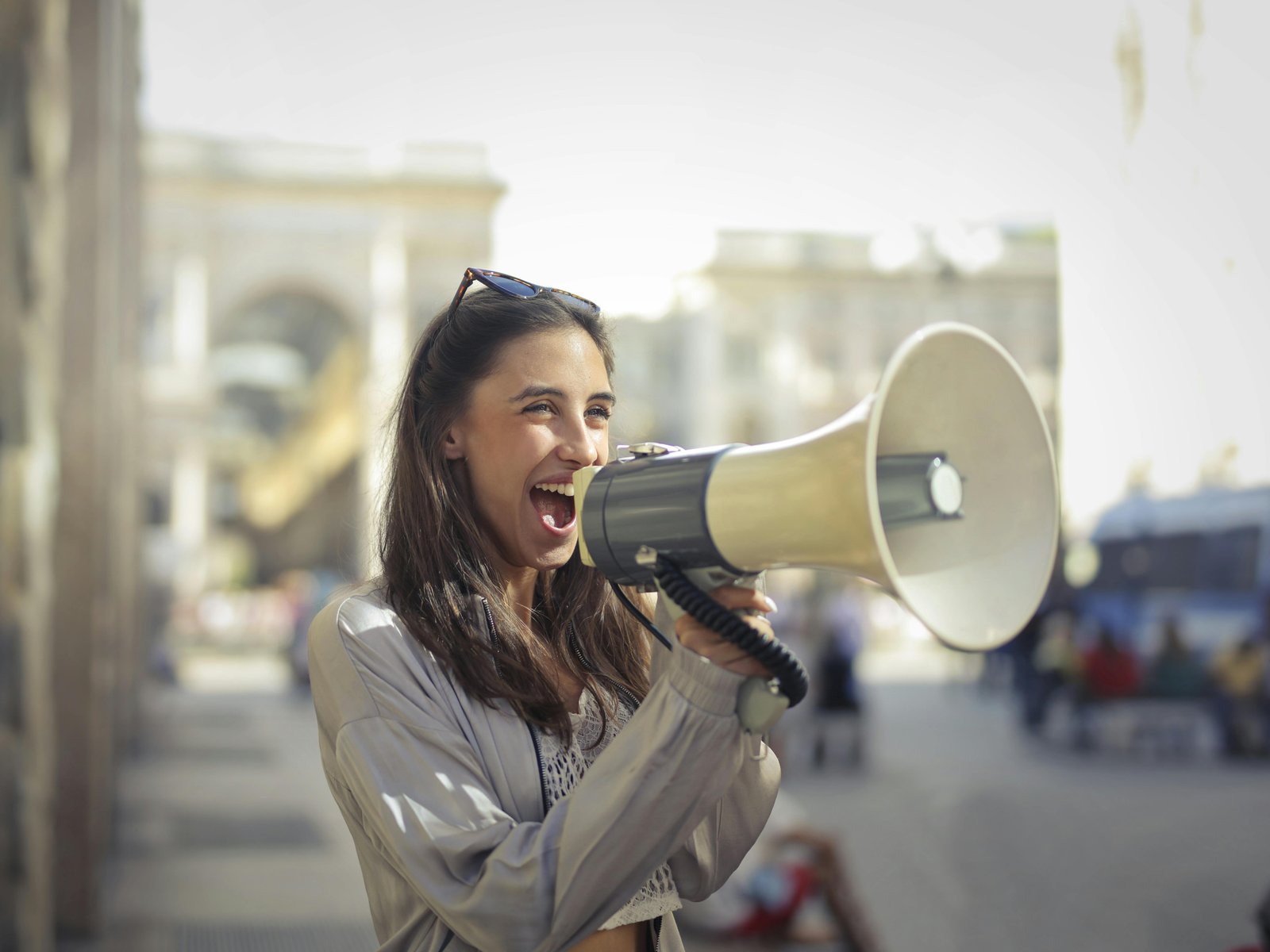
In the complex landscape of urban redevelopment, the influence of corruption and religious power can significantly impact the trajectory of development projects. Public speaking plays a crucial role in shaping public perception and mobilizing support for or against such initiatives. Let's delve into each of these components and explore how they intersect in the context of urban development. Urban Redevelopment: Urban redevelopment involves revitalizing and enhancing the infrastructure of urban areas to address issues such as blight, outdated buildings, and inadequate amenities. While these projects aim to improve the quality of life for residents and attract investment, they are often met with challenges such as opposition from community members, regulatory hurdles, and funding constraints. Corruption: Corruption can seep into urban redevelopment projects through bribery, kickbacks, or favoritism, leading to skewed decision-making processes and misallocation of resources. When corrupt practices pervade development initiatives, they undermine transparency, accountability, and trust in the system, ultimately compromising the intended benefits for the community. Religious Power: Religious institutions wield significant influence in many societies, often playing a role in shaping moral values, social norms, and political decisions. In the context of urban redevelopment, religious leaders and organizations may advocate for or against certain projects based on their perceived impact on the community, cultural heritage, or religious beliefs. Their endorsements or opposition can sway public opinion and policy outcomes. Public Speaking: Effective public speaking is a powerful tool for conveying ideas, building consensus, and inspiring action. Urban development stakeholders, including government officials, developers, community activists, and religious leaders, must master the art of public speaking to articulate their positions, address concerns, and mobilize support for their respective agendas. Public speeches, town hall meetings, and media interviews can shape public discourse and influence decision-making processes related to urban redevelopment projects. Intersection of Factors: When urban redevelopment, corruption, religious power, and public speaking intersect, the dynamics become even more complex. Stakeholders must navigate competing interests, ethical dilemmas, and power dynamics to chart a sustainable and inclusive path forward. Addressing issues of corruption, engaging with religious communities respectfully, and honing public speaking skills can help mitigate conflicts, build trust, and foster collaboration in the urban development process. In conclusion, the interplay of urban redevelopment, corruption, religious power, and public speaking underscores the multidimensional nature of city planning and community engagement. By acknowledging and addressing these factors thoughtfully and transparently, stakeholders can work towards creating vibrant, equitable, and resilient urban environments that serve the needs of all residents.
https://sunpowerpanels.com
https://desencadenar.org
https://religieuse.org
https://constructional.org
Leave a Comment:
SEARCH
Recent News
- Zurich, Switzerland is a vibrant city known for its rich cultural scene and diverse music offerings. One unique aspect of Zurich's music scene is the presence of Sudanese music, which has found a home in the city's melting pot of cultures.
- Visiting Zurich, Switzerland, can be an enriching experience for music lovers from all corners of the world. While the city may not be the first place that comes to mind when thinking about South African music, Zurich's diverse music scene offers a glimpse into the vibrant sounds of this African nation.
- Zurich, Switzerland is a vibrant city known for its stunning architecture, picturesque landscapes, and rich culture. One aspect of Zurich's cultural scene that often goes under the radar is its regional music. The city and its surrounding areas are home to a diverse range of musical styles, reflecting the multiculturalism and artistic diversity of the region.
- Top 5 Zurich Regional Movies You Must Watch
- Zurich, Switzerland, is a vibrant city known for its stunning architecture, picturesque landscapes, and thriving cultural scene. In recent years, the city has also become a hub for film production, attracting filmmakers from around the world. Interestingly, a connection has emerged between Zurich and Paraguay through the medium of film.
- Zurich, Switzerland: Discovering the Vibrant Norwegian Music Scene
- Zurich - A Hub for Hungarian Films
- Zurich, Switzerland: A Hub for Estonian Music
READ MORE
11 months ago Category :

Zurich, Switzerland is a vibrant city known for its rich cultural scene and diverse music offerings. One unique aspect of Zurich's music scene is the presence of Sudanese music, which has found a home in the city's melting pot of cultures.
Read More →11 months ago Category :

Visiting Zurich, Switzerland, can be an enriching experience for music lovers from all corners of the world. While the city may not be the first place that comes to mind when thinking about South African music, Zurich's diverse music scene offers a glimpse into the vibrant sounds of this African nation.
Read More →11 months ago Category :

Zurich, Switzerland is a vibrant city known for its stunning architecture, picturesque landscapes, and rich culture. One aspect of Zurich's cultural scene that often goes under the radar is its regional music. The city and its surrounding areas are home to a diverse range of musical styles, reflecting the multiculturalism and artistic diversity of the region.
Read More →11 months ago Category :
